Best Heavy Duty Surge Protector for Garages & Workshops

Monika Andro
Garage & workshop equipment editor at WorkshopRanker • About the author
The best heavy duty surge protector search gets confusing fast because listings mix “surge protection,” “power strip,” and “industrial” language. In a garage or workshop, the goal is simpler: protect valuable gear and keep power distribution safe and practical for your layout.
For most buyers, the right choice comes down to where it will live (bench, wall, rack, floor), what you are plugging in (chargers and electronics vs. power tools), and what protection you actually need (a basic surge strip vs. UPS battery backup for sensitive equipment).
This WorkshopRanker guide compares five options using job fit, compatibility checks, and ownership risk so you can buy once and avoid nuisance trips, awkward cord routing, or under-protecting expensive tools.
Compare the first three reviewed products at a glance.
Disclosure: As an Amazon Associate, WorkshopRanker may earn from qualifying purchases. We may also earn from other affiliate links. This does not change what we recommend or how we compare workshop equipment.

Most buyers comparing the category
Balanced overall feature set

Value-focused buyers
Strong value for the intended use

Buyers who want stronger features
Higher-spec or more capable configuration
This page compares 5 workshop equipment options, focused on real online-buying decisions:
Next, WorkshopRanker connects each comparison to the most relevant category hub, related equipment comparisons, and practical setup or specification guides so you can check the wider buying context before ordering.
Jump to section
Toggle| Image | Product | Best for | Key feature | View on Amazon |
|---|---|---|---|---|
| CRST 10-Outlet Heavy Duty Power Strip Metal Surge Protector, 15A, 15FT CordCRST 10-Outlet Heavy Duty Power Strip Metal Surge Protector, 15A, 15FT Cord | Most buyers comparing the category | Balanced overall feature set | View on Amazon |
| CCCEI 12 Gauge Heavy Duty Surge Protector, Yellow, 6FT, 1CCCEI 12 Gauge Heavy Duty Surge Protector, Yellow, 6FT, 1 | Value-focused buyers | Strong value for the intended use | View on Amazon |
| ALESTOR 6 Ft Surge Protector Power Strip with 12 Outlets and 4 USB PortsALESTOR 6 Ft Surge Protector Power Strip with 12 Outlets and 4 USB Ports | Buyers who want stronger features | Higher-spec or more capable configuration | View on Amazon |
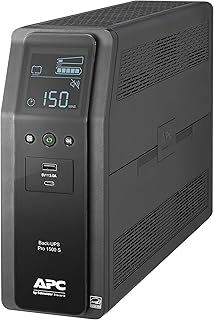 | APC BR1500MS2 Pure Sine Wave UPS Battery Backup & Surge ProtectorAPC BR1500MS2 Pure Sine Wave UPS Battery Backup & Surge Protector | A more specific use case | Useful fit for a narrower use case | View on Amazon |
 | CCCEI 12 Gauge Heavy Duty Power Strip, 8 Ports, Grey, 6FTCCCEI 12 Gauge Heavy Duty Power Strip, 8 Ports, Grey, 6FT | Buyers comparing another solid option | Alternative feature and price balance | View on Amazon |
A strong first pick if you want a heavy duty surge protector that works as a straightforward workshop surge protector and power distribution strip, without overcomplicating the setup.
Best for: Most buyers comparing the category
Key feature: Balanced overall feature set
Watch for: confirm where you will mount or place it, whether the cord length matches your outlet location, and whether the outlet spacing works for bulky plugs and tool chargers.
| Pros ✅ | Cons ⚠️ |
|---|---|
| ✅ Strong all-around starting point for garage/workshop power distribution | ⚠️ Still requires layout planning (mounting, cord routing, plug spacing) |
| ✅ Helps keep chargers and tools on one protected strip instead of daisy-chaining | ⚠️ “Heavy duty” does not replace proper circuit sizing or safe load planning |
| ✅ Practical choice when you want a single strip to compare everything else against | ⚠️ Verify surge specs (joules/clamping) and indicator lights match your expectations |
Why it’s a top pick: For a surge protector for power tools and chargers, the “best” model is usually the one that fits your bench or wall layout cleanly, reduces cord mess, and gives you enough outlets without pushing you into unsafe workarounds.
Decision bullets
WorkshopRanker tip: If you keep tripping breakers, a new strip is not the fix. Instead, reduce simultaneous load, move high-draw tools to a different circuit, or address the electrical supply. Use surge protection as protection, not as a way to “add capacity.”
This pick fits a more tool-forward workflow where you want a rugged-feeling heavy duty surge protector that makes sense around a bench, cart, or jobsite-style setup.
Best for: Value-focused buyers
Key feature: Strong value for the intended use
Watch for: confirm the cord length is enough for how you actually work, because short cords can lead to unsafe extension-cord chains and messy routing.
| Pros ✅ | Cons ⚠️ |
|---|---|
| ✅ More purpose-built feel for tool/charger power distribution | ⚠️ Verify outlet layout and spacing for bulky power bricks |
| ✅ Useful alternative to Pick #1 when cord length and placement needs differ | ⚠️ Not a substitute for a GFCI-protected circuit where required |
| ✅ Good fit when you want a simple industrial surge protector power strip style | ⚠️ Confirm surge specs, indicator lights, and mounting method before buying |
Why it’s a top pick: When your “workshop surge protector” is really a tool-and-charger power hub, the best option is often the one that fits your workflow and reduces the temptation to overload a single receptacle with adapters.
Decision bullets
WorkshopRanker tip: For high-draw tools (heaters, big compressors, welders), use dedicated circuits and follow the tool’s manual. Don’t plan to run them “through the strip” just because it looks heavy duty.
This option is for “lots of stuff plugged in” workbenches—chargers, small tools, lights, and electronics—where outlet count and day-to-day convenience matter.
Best for: Buyers who want stronger features
Key feature: Higher-spec or more capable configuration
Watch for: don’t confuse “more outlets” with “more available power.” You still need to manage total load on the circuit and avoid running high-draw tools simultaneously.
| Pros ✅ | Cons ⚠️ |
|---|---|
| ✅ Great for clutter control when you have many chargers and small devices | ⚠️ More ports can make it easier to accidentally overload a circuit |
| ✅ Convenient for mixed workbench gear (electronics + shop accessories) | ⚠️ Verify spacing for bulky plugs and whether USB ports match your needs |
| ✅ Strong pick when the “work” is organization and repeatable daily setup | ⚠️ Not the best match for rough handling or heavy tool-only environments |
Why it’s a top pick: Many garages need a “power and charging station” more than a pure tool strip. If that’s your reality, judge the product on outlet layout, convenience ports, and whether it keeps your bench clean and repeatable.
Decision bullets
WorkshopRanker tip: When you’re protecting sensitive electronics (PCs, CNC controllers, network gear), surge specs matter more than outlet count. In practice, use a model with clear published protection details, or step up to a UPS (see Pick #4).
This premium-leaning pick focuses on protecting sensitive equipment and keeping it running through brief outages or brownouts, not just adding outlets.
Best for: A more specific use case
Key feature: Useful fit for a narrower use case
Watch for: confirm the physical footprint and where it will sit, then verify runtime expectations for the devices you plan to keep alive (PC, modem/router, controller, etc.).
| Pros ✅ | Cons ⚠️ |
|---|---|
| ✅ Adds battery-backup protection that a standard surge strip cannot provide | ⚠️ Larger, heavier, and more expensive than a basic garage surge protector |
| ✅ Better match for computers, network gear, and sensitive shop electronics | ⚠️ Battery is a consumable—plan for eventual replacement |
| ✅ Helps prevent data loss and abrupt shutdowns during short outages | ⚠️ Not intended to run high-draw power tools from the battery outlets |
Why it’s a top pick: A UPS is often the right answer when the problem isn’t just surges, but also power stability. If you run a shop PC, router, NAS, camera system, or controller, battery backup can be the difference between a “minor blip” and lost work or corrupted files.
Decision bullets
WorkshopRanker tip: If your bigger concern is extended outages (not brief events), a UPS pairs well with generator planning—see Best Portable Whole House Generator and Portable Vs Standby Generator.
This is a strong heavy-duty multi-outlet alternative when you want a simpler, tool-friendly distribution strip that still feels more workshop-appropriate than a typical home/office surge bar.
Best for: Buyers comparing another solid option
Key feature: Alternative feature and price balance
Watch for: verify outlet spacing, mounting approach, and whether the cord length and plug orientation suit your wall or bench layout.
| Pros ✅ | Cons ⚠️ |
|---|---|
| ✅ Practical multi-outlet format for a garage/workshop wall or bench | ⚠️ Confirm it fits bulky plugs and chargers without blocking outlets |
| ✅ Good choice for tool chargers, lights, and general shop accessories | ⚠️ Still limited by the branch circuit—manage total load |
| ✅ Solid shortlist option when you want simple, durable-feeling power distribution | ⚠️ Verify published surge protection details and indicator behavior |
Why it’s a top pick: The best value is the strip that matches your real outlet needs and physical layout, so you avoid adapters, blocked outlets, and awkward cord routing that makes the bench harder to use.
Decision bullets
WorkshopRanker tip: If you’re comparing surge specs, use Surge Protector Joules Clamping Voltage to understand what joules and clamping voltage mean in plain English before you decide.
To recommend equipment that makes sense for online buyers, we focus on what changes real use and ownership over time:
Don’t buy this if…
Buy this if…
First, separate two common needs: (1) a workshop surge protector that acts as a protected outlet hub for chargers and small tools, or (2) protection for sensitive electronics where a UPS may be the right tool. Next, think about duty cycle, because a fixed bench setup has different demands than a mobile “drag it around the garage” setup.
In this category, the most important “capacity” is rarely a marketing headline. Instead, it’s whether the strip supports safe, practical use in your space. Compare surge protection details, outlet layout, and build style against your real plug-in list and your circuit limits.
Before ordering, verify the details that can make a surge protector unusable in a shop: mounting holes or brackets, overall length, cord exit direction, plug clearance behind a bench, and outlet spacing for power bricks. If you’re using it as a garage surge protector near vehicles, plan cord routing to avoid abrasion, pinching, and trip hazards.
When two products solve the same job differently, use the related WorkshopRanker comparison and setup guides supplied with the page to understand the tradeoff before you buy.
For workshop use, prioritize a housing and layout that holds up to real handling: stable placement, solid cord strain relief, and an outlet arrangement that doesn’t force adapters. If you expect dust, metal chips, or finishing overspray in the area, place the strip where debris is less likely to accumulate and follow the manufacturer’s cleaning guidance.
Most surge strips aren’t “serviceable” in the traditional sense, but ownership still matters. Watch for indicator lights that show protection status, check for physical damage from drops, and replace the unit if the manufacturer recommends it after a major surge event. With UPS units, the battery is a real consumable.
Electricity is a real hazard in a garage, so follow the manufacturer’s instructions and don’t exceed rated limits. Use appropriate circuits and protection (like GFCI where applicable). A heavy duty surge protector is not a substitute for correct wiring, correct breaker sizing, or safe load planning.
| Concern | Likely cause | What to check before buying |
|---|---|---|
| The equipment feels underpowered or undersized | The selected model does not match the real workload or duty cycle | Compare category-specific output, capacity, operating range, and duty requirements |
| The product does not fit the workspace or existing setup | Dimensions, mounting, fittings, voltage, or compatibility were overlooked | Verify measurements, connectors, power requirements, clearances, and adapters before ordering |
| The tool is awkward or slow to use repeatedly | Poor ergonomics, setup time, weight, controls, or workflow fit | Compare handling, adjustment, portability, setup steps, and storage |
| Performance drops during longer jobs | Duty-cycle, heat, battery, air, water, power, or capacity limits are being reached | Check continuous-use limits and the supporting supply requirements for the category |
| Ownership becomes expensive | Consumables, accessories, maintenance, or replacement parts cost more than expected | Check recurring items, service access, part availability, and required add-ons |
| Results are inconsistent | Wrong setup, poor adjustment range, weak rigidity, or unsuitable specification | Compare control, calibration, stability, adjustment, and repeatability requirements |
| The feature list feels confusing | Marketing terms and ratings are not directly comparable | Return to the real job: workload, useful specs, compatibility, setup, maintenance, and safety limits |
Use the related WorkshopRanker guides below for deeper category-specific sizing, compatibility, setup, maintenance, and safety questions.
If the PAGE SPEC includes a sizing, specification, compatibility, comparison, setup, or maintenance guide, use the most relevant supplied [GUIDE:] placeholder naturally in this section.
Start with what you’re protecting and where it will be installed. Next, compare surge protection details (not just “heavy duty” wording), outlet spacing, cord length, mounting/placement, and whether you actually need a UPS for sensitive electronics.
For a heavy duty surge protector, “capacity” is mostly about safe load planning and practical layout. Choose a strip that supports your normal plug-in list without adapters, but don’t assume more outlets means you can run more total power—your branch circuit is still the limit.
Prioritize clearly stated surge protection specs (like joules and clamping voltage) plus practical details like cord length and outlet spacing. If you’re unsure how to compare surge numbers, use Surge Protector Joules Clamping Voltage before you buy.
Check overall dimensions, cord length, plug angle, mounting options, outlet spacing for bulky chargers, and where it will sit relative to dust/debris and trip hazards. Before you install, confirm whether you need GFCI protection in that area based on your workspace and local requirements.
It can be, especially if you need a more shop-friendly build, better layout for repeated use, clearer protection indicators, or a UPS for sensitive electronics. However, if you only need occasional charging and light-duty bench power, a simpler strip can be the better value if it still matches your layout and protection needs.
Yes—if the listing clearly shows surge specs, cord length, mounting style, outlet layout, and return terms. For UPS units, also verify battery replacement expectations and support details before ordering.
For a garage surge protector, the biggest real features are surge protection details, outlet spacing, cord length, mounting/placement flexibility, and clear status indicators. USB ports and extra outlets only help if they fit your plug-in list without encouraging overload.
Confirm the exact model, dimensions, cord length, outlet spacing, surge protection specs, indicator lights, and where it will be installed. If you’re protecting sensitive electronics or want ride-through power, consider a UPS and verify expected runtime for your load.
If you want the safest first choice, start with Pick #1 because it gives you the cleanest baseline for job fit, useful specifications, compatibility, setup, and ownership risk.
Choose Pick #2 when its tool-focused layout and jobsite-style practicality better match how you power tools and chargers.
Pick #3 makes the most sense when you need lots of devices connected and convenience matters for daily bench organization.
Go with Pick #4 when premium protection plus battery backup is the real need for sensitive electronics.
Finally, choose Pick #5 when you want a heavy-duty multi-outlet strip with a straightforward workshop-first approach.
For more context, continue with the related WorkshopRanker category hub and guides listed above.