Best Heat Gun for Heat Shrink Tubing & Automotive Wiring

Monika Andro
Garage & workshop equipment editor at WorkshopRanker • About the author
The best heat gun for heat shrink search gets confusing fast because brands lead with max temperature, wattage, and accessory counts. In practice, the decision is simpler: pick a heat shrink gun that matches your wiring size, connector style, workspace, control needs, and how often you’ll use it.
This WorkshopRanker guide focuses on heat shrink tubing and automotive wiring use cases. The goal is clean recovery without scorching insulation, melting adhesive-lined tubing, or overheating nearby plastics.
Use the shortlist below to compare job fit, control, and ownership risk (cord management, portability, replacement parts, and long-run reliability) before you buy.
Compare the first three reviewed products at a glance.
Disclosure: As an Amazon Associate, WorkshopRanker may earn from qualifying purchases. We may also earn from other affiliate links. This does not change what we recommend or how we compare workshop equipment.

Most buyers comparing the category
Balanced overall feature set
Value-focused buyers
Strong value for the intended use

Buyers who want stronger features
Higher-spec or more capable configuration
Jump to section
ToggleThis page compares 5 workshop equipment options, focused on real online-buying decisions:
WorkshopRanker connects each comparison to the most relevant category hub, related equipment comparisons, and practical setup or specification guides. That way, you can check the wider buying context before ordering.
| Image | Product | Best for | Key feature | View on Amazon |
|---|---|---|---|---|
| SEEKONE 1800W Heat Gun Variable Temp 122℉-1202℉ for Crafts, Shrink WrapSEEKONE 1800W Heat Gun Variable Temp 122℉-1202℉ for Crafts, Shrink Wrap | Most buyers comparing the category | Balanced overall feature set | View on Amazon |
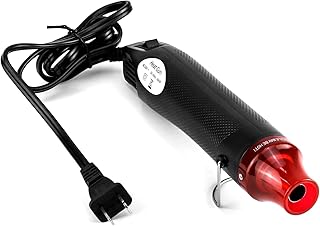
| QWORK Mini Heat Gun, 300W Portable Hot Air Tool for Crafts, Epoxy Resin, Shrink Tubing & DIY, with Stand 110VQWORK Mini Heat Gun, 300W Portable Hot Air Tool for Crafts, Epoxy Resin, Shrink Tubing & DIY, with Stand 110V | Value-focused buyers | Strong value for the intended use | View on Amazon |
| BLACK+DECKER Heat Gun for Crafts, Corded, Dual Heat Settings up to 1000 Degrees, 1350 Watt (HG1300)BLACK+DECKER Heat Gun for Crafts, Corded, Dual Heat Settings up to 1000 Degrees, 1350 Watt (HG1300) | Buyers who want stronger features | Higher-spec or more capable configuration | View on Amazon |
 | SEEKONE 7.2V Cordless Mini Heat Gun 212-932℉ for Crafts, 3d printingSEEKONE 7.2V Cordless Mini Heat Gun 212-932℉ for Crafts, 3d printing | A more specific use case | Useful fit for a narrower use case | View on Amazon |
 | Master Appliance EC-MINI Heat Gun for Crafts, Shrink Wrap, Heat Shrink Tubing, Wire Connectors, Electrical Connectors, Epoxy Resin, Candle Making Heatgun, Embossing Hot Air Gun w/Heat Shrink ReflectorMaster Appliance EC-MINI Heat Gun for Crafts, Shrink Wrap, Heat Shrink Tubing, Wire Connectors, Electrical Connectors, Epoxy Resin, Candle Making Heatgun, Embossing Hot Air Gun w/Heat Shrink Reflector | Buyers comparing another solid option | Alternative feature and price balance | View on Amazon |
A strong first pick when you want one corded heat gun for heat shrink tubing that can handle small wiring work and bigger shrink jobs. For most buyers, it’s the easiest “one tool” baseline.
Best for: Most buyers comparing the category
Key feature: Balanced overall feature set
Watch for: confirm the included nozzles/reflectors (if any), how temperature is controlled (dial vs. steps), and whether the airflow and nozzle size suit your wire gauge and connector type.
| Pros ✅ | Cons ⚠️ |
|---|---|
| ✅ Broad capability for general heat shrink work (wiring + larger shrink tasks) | ⚠️ Full-size heat guns can be easier to overheat nearby plastics if you rush |
| ✅ Better “one-tool” option than tiny craft-only heat tools | ⚠️ Cord management matters in tight bays and under-dash work |
| ✅ Good baseline pick for comparing the compact and specialty options below | ⚠️ Verify included nozzle types and whether you need a heat-shrink reflector |
Why it’s a top pick: For heat shrink, you usually want controllable heat delivery and enough output to recover tubing without hovering forever. A full-size corded gun is often the most forgiving “do most things” choice for a garage.
Decision bullets
WorkshopRanker tip: A bigger heat gun is not automatically “better” for wiring. Instead, use distance, steady motion, and (when appropriate) a reflector nozzle to reduce scorching risk.
A compact, simple option when you want a small heat gun for wiring tasks, quick heat shrink touch-ups, and light-duty bench work.
Best for: Value-focused buyers
Key feature: Strong value for the intended use
Watch for: mini tools can be slower on thicker tubing or larger connectors. Before you buy, confirm it can reach and hold the temperature range your tubing calls for.
| Pros ✅ | Cons ⚠️ |
|---|---|
| ✅ Easier to aim at small tubing without blasting the surrounding area | ⚠️ Can take longer on adhesive-lined tubing or larger diameters |
| ✅ Good “keep it in the electrical drawer” size for quick fixes | ⚠️ Verify stand stability and how hot the nozzle area gets on the bench |
| ✅ Useful when a full-size gun feels bulky for wiring | ⚠️ Not the best pick for frequent, all-day shrink work |
Why it’s a top pick: For many wiring repairs, the problem is access and control—not maximum heat. A compact automotive wiring heat gun can feel easier to manage around connectors, split loom, and interior plastics.
Decision bullets
WorkshopRanker tip: If you routinely use adhesive-lined tubing, choose based on controlled, even heating. Raw heat alone won’t fix uneven technique.
A value-focused corded heat shrink gun pick when you want a straightforward tool from a widely recognized brand for occasional-to-regular use.
Best for: Buyers who want stronger features
Key feature: Higher-spec or more capable configuration
Watch for: dual-temp designs are simple, but you still need to match the setting and technique to your tubing. Otherwise, sensitive insulation can overheat.
| Pros ✅ | Cons ⚠️ |
|---|---|
| ✅ Simple controls for buyers who don’t want a complex temperature dial | ⚠️ Less fine control than variable-temp models for delicate wiring |
| ✅ Good general-purpose option for heat shrink tubing and shop tasks | ⚠️ May require more technique (distance/motion) to avoid scorching |
| ✅ Strong shortlist pick when budget and simplicity are priorities | ⚠️ Verify included accessories if you need a specific nozzle style |
Why it’s a top pick: For many buyers, “best value” means a tool that’s easy to use correctly. Simple heat settings can reduce decision fatigue, but you still need to avoid forcing too much heat onto small-gauge wiring.
Decision bullets
WorkshopRanker tip: When you want more precision on small heat shrink, a variable-temp gun or a smaller heat gun for wiring can be a better move than relying on “quick bursts” at high heat.
A cordless pick for situations where cord management is the problem—mobile work, quick repairs, and tight spaces where a plug-in heat gun is a hassle.
Best for: A more specific use case
Key feature: Useful fit for a narrower use case
Watch for: verify runtime expectations, recharge time, and whether it can sustain heat long enough for your tubing. That matters most with thicker or adhesive-lined shrink.
| Pros ✅ | Cons ⚠️ |
|---|---|
| ✅ No cord to fight in a vehicle interior or crowded bay | ⚠️ Cordless heat tools can hit limits on runtime and sustained output |
| ✅ Convenient for quick heat shrink connector jobs in the field | ⚠️ Battery capacity and charging workflow become part of ownership |
| ✅ Easy to keep in a mobile kit for wiring repairs | ⚠️ Verify what’s included (charger, tips/nozzles) and how replacements work |
Why it’s a top pick: Corded heat guns are great on a bench, but they can be annoying in a car. With a cordless automotive wiring heat gun, you can start shrinking sooner because setup is faster.
Decision bullets
WorkshopRanker tip: If you do long harness repairs or many connectors in a row, a corded gun often wins on sustained performance. However, cordless can still be the right call for quick mobile jobs.
A purpose-leaning choice when your “heat shrink” work is heavily focused on electrical heat-shrink connectors. If you want a tool built around that workflow, this style can fit well.
Best for: Buyers comparing another solid option
Key feature: Alternative feature and price balance
Watch for: confirm included reflector/nozzle fit for your connector sizes, and verify whether the airflow/heat pattern works for your typical tubing diameters.
| Pros ✅ | Cons ⚠️ |
|---|---|
| ✅ Better match for connector-centric heat shrink work (terminals, butt connectors, etc.) | ⚠️ More specialized choices can be less versatile for non-wiring heat tasks |
| ✅ Reflector-style accessory can help shrink more evenly around connectors | ⚠️ Verify accessory sizes and what’s included for your connector diameters |
| ✅ Good shortlist option if you care about repeatable connector results | ⚠️ Still requires technique to avoid overheating insulation and nearby plastics |
Why it’s a top pick: Heat-shrink connectors benefit from even heat around the barrel so adhesive activates and tubing recovers cleanly. With a connector-oriented setup, you may get more consistent results than “open blast” heating.
Decision bullets
WorkshopRanker tip: If you’re shrinking near fuel lines, interiors, or under-hood plastics, prioritize control and shielding. Follow the manufacturer instructions and use appropriate PPE.
To recommend equipment that makes sense for online buyers, we focus on what changes real use and ownership:
Don’t buy this if…
Buy this if…
With heat shrink tubing, the “job” is usually one of three things: small-gauge wiring repairs, heat-shrink connectors (often adhesive-lined), or larger shrink tasks like loom/boots. Because duty cycle varies, occasional DIY use, repeated home-shop work, mobile service, and professional workloads all change what “enough” heat output and control looks like.
For a heat gun for heat shrink, the goal is controlled, even recovery—not just maximum temperature. First narrow the field using the measurements that control results, then choose the tool that’s easiest to use correctly in your workspace.
Before ordering, verify the details that can make a heat shrink gun annoying or unsafe to use: cord length (corded units), charging method (cordless units), tool size for tight bays, stand stability for bench work, and whether the included nozzles match your connector/tubing sizes.
If you’re deciding between a heat gun vs. open flame, use the related WorkshopRanker guide supplied with the page to understand the tradeoffs before buying.
Heat guns are simple tools, but ergonomics still matter: trigger/slide switch feel, grip shape, balance, and how safely it rests on the bench. For wiring work, included nozzles matter too—especially reflector/reducer styles for shrinking connectors more evenly.
Heat guns don’t have many consumables, but ownership still matters. Plan for safe storage (hot nozzle), keep vents clear of dust, and—on cordless models—factor in battery longevity and replacement expectations. If you rely on a specific nozzle/reflector, check whether replacements are easy to source.
Heat guns create burn and fire risk, and automotive wiring adds nearby plastics, adhesives, and confined spaces. Follow the manufacturer instructions, keep heat moving, avoid heating unknown materials, and use appropriate PPE. Finally, verify operating limits and safe-use guidance in the manual; applicable local requirements take priority.
| Concern | Likely cause | What to check before buying |
|---|---|---|
| The heat shrink tubing won’t fully recover | Not enough sustained heat at the work surface, or heating too far away | Check temperature range/control method and whether the tool can maintain heat; confirm tubing recovery temp requirements |
| The tubing scorches or insulation deforms | Too much heat, too close, too much airflow, or heating in one spot | Look for better control (variable temp), smaller nozzle options, and plan to use a reflector/reducer when appropriate |
| Adhesive-lined connectors don’t seal well | Uneven heat around the barrel or not enough time at temperature | Check for reflector-style accessories and a heat pattern that can wrap around connectors |
| The product is awkward in a vehicle | Cord management, tool size, or limited access under dash/hood | Compare physical size, cord length (corded), or choose cordless if setup speed matters |
| Performance drops during longer jobs | Thermal limits, duty cycle limits, or battery limits (cordless) | Check continuous-use expectations and (for cordless) runtime/charging workflow |
| Ownership becomes annoying | Missing accessories, hard-to-store hot tool, or battery replacements | Verify included nozzles/stand, safe cool-down storage approach, and replacement accessory availability |
| The feature list feels confusing | Max-temp marketing doesn’t reflect wiring control needs | Return to the job: tubing type, connector style, access constraints, and the control method you’ll actually use |
Use the related WorkshopRanker guides below for deeper category-specific sizing, compatibility, setup, maintenance, and safety questions.
If the PAGE SPEC includes a sizing, specification, compatibility, comparison, setup, or maintenance guide, use the most relevant supplied [GUIDE:] placeholder naturally in this section.
Two helpful next reads for this category are Heat Gun Temperature Heat Shrink (to match tool output to tubing needs) and Heat Gun Vs Torch Heat Shrink (to understand when open flame is a bad tradeoff for wiring work).
For heat shrink tubing, prioritize controllable heat delivery: temperature control method (variable vs. fixed steps), nozzle/accessory options (especially reflector/reducer styles), and how easy it is to aim heat precisely in your workspace. Next, check power source fit (corded vs. cordless), setup convenience, and safe storage/cool-down.
You need enough sustained heat to recover your thickest or most demanding tubing (often adhesive-lined connectors) without hovering forever. However, don’t automatically buy the hottest/most powerful gun—oversizing can make it easier to overheat insulation and nearby plastics, especially on small wiring.
Temperature range and how it’s controlled are usually more useful than a single max-temp number. Also look for practical details like included nozzles, whether the tool is designed to stand safely on a bench, and (for cordless) battery/charging information. When in doubt, match the tool to the tubing’s recommended recovery temperature.
Confirm power source (corded voltage/outlet needs or cordless charging), physical size for your workspace, and nozzle/accessory fit for your connector and tubing diameters. If you’re doing heat-shrink connectors often, look for a reflector-style nozzle or accessory that helps heat evenly around the barrel.
It can be if you do frequent wiring work and want more consistent control, better ergonomics, and less downtime. For occasional DIY repairs, a simpler corded heat gun can be a better value if it still gives you the control you need to avoid scorching and rework.
Yes—if the listing clearly shows the exact model, included accessories/nozzles, power details, and return terms. With heat guns, “what’s included” matters more than most buyers expect (especially reflectors/reducers for wiring and connector work).
For a heat gun for heat shrink: temperature control, usable heat pattern, nozzle/accessory support, ergonomics, and safe resting/stand design. Cordless convenience is a feature too, but treat runtime and sustained heat as part of the decision—not an afterthought.
Check the exact model, temperature control type, included nozzles/reflectors, and whether it fits your workspace (bench vs. vehicle). If you’re shrinking adhesive-lined connectors, confirm you can apply even heat around the barrel without cooking adjacent insulation.
If you want the safest first choice, start with Pick #1 because it gives you the cleanest baseline for job fit, useful specifications, compatibility, setup, and ownership risk.
For more context, continue with the related WorkshopRanker category hub and guides listed above.